Join this channel to get access to perks:
https://www.youtube.com/channel/UCddem5RlB3bQe99wyY49g0g/join
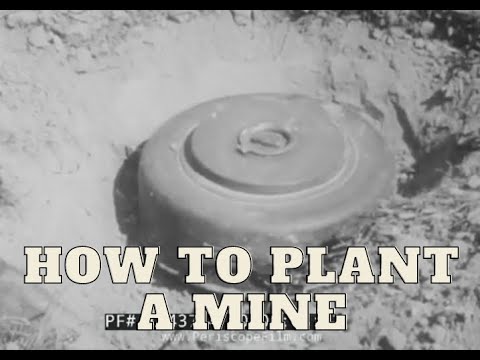
This untitled instructional film presented by the US Army from the 1950s shows an American soldier setting up various models of American-made military-grade landmines used throughout the Cold War. A land mine is an explosive device concealed under or on the ground and designed to destroy or disable enemy targets. The use of land mines is controversial because of their potential and indiscriminate weapons. They can remain dangerous many years after a conflict has ended and pose a threat to civilian safety. During the Cold War the United States used the M6 anti tank mine and trip-wire operated bounding antipersonnel mines such as the M2 and M16 which are some of the explosives featured in this instructional film.
Close-up of landmine being buried in soil (0:09). Hand turns dial on top of the landmine (0:40). A US Army soldier sets up and charges a 1950s M6 Landmine (0:51). Soldier sets up M14 Blast Mine (1:20). Soldier buries and disguises the M14 (3:45). Soldier places a safety pin around the indicator arrow to prevent premature explosion (4:16). Illustration of how buried M14 Landmine functions (5:18). Soldier sets up M16 Landmine (5:49). Illustration of explosion radius of the M16 (7:55).
Want to learn more about Periscope Film and get access to exclusive swag? Join us on Patreon. Visit https://www.patreon.com/PeriscopeFilm
Visit our website www.PeriscopeFilm.com
We encourage viewers to add comments and, especially, to provide additional information about our videos by adding a comment! See something interesting? Tell people what it is and what they can see by writing something for example: "01:00:12:00 -- President Roosevelt is seen meeting with Winston Churchill at the Quebec Conference."
This film is part of the Periscope Film LLC archive, one of the largest historic military, transportation, and aviation stock footage collections in the USA. Entirely film backed, this material is available for licensing in 24p HD, 2k and 4k. For more information visit http://www.PeriscopeFilm.com
,Periscope Film,Stock Footage,4K,HD,2K,16mm film,8mm film,35mm film,film transfer,PeriscopeFilm,WWII stock footage,motion picture film scanning,16mm film scanning,Lasergraphics,ScanStation,Los Angeles,6BiGdJBDy5g,UCddem5RlB3bQe99wyY49g0g, Film, channel_UCddem5RlB3bQe99wyY49g0g, video_6BiGdJBDy5g,Join this channel to get access to perks:
https://www.youtube.com/channel/UCddem5RlB3bQe99wyY49g0g/join
Want to learn more about Periscope Film and get access to exclusive swag? Join us on Patreon. Visit https://www.patreon.com/PeriscopeFilm
Visit our website www.PeriscopeFilm.com
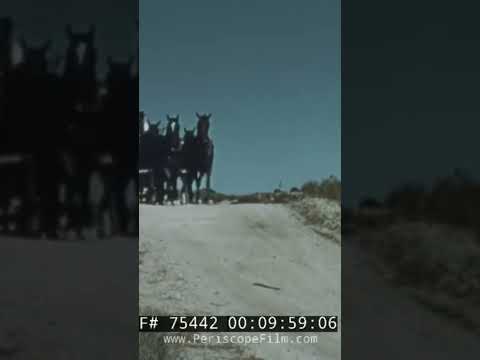
“In All the World…” is a 1940s color promotional film highlighting Great Northern Railway’s service from Chicago to Glacier National Park and beyond to Seattle and Portland. Narrated by James F. Clemenger, the film highlights one of the stops along the Great Northern Railway route - Glacier National Park and Waterton Lakes National Park across the international boundary in Alberta, Canada. Specifically, the film follows a group of travelers who have arrived on the Empire Builder luxury train from Chicago as they explore the natural wonders that the park has to offer.
Upbeat music, footage opens to spinning globe and opening credits (0:10). Narration begins, globe stops spinning and camera zooms into United States (0:42). Great Northern Railway route appears on map spanning Chicago, St. Paul, Minneapolis, Glacier National Park (Montana), Spokane, Seattle, Portland, San Francisco, Los Angeles (0:49). White water waterfall rushes through rocky cliffs lined with pine trees, montage scenic nature shots around the national park (1:11). Great Northern 2584 Steam Locomotive pulls into East Glacier Park station: Passengers disembark Empire Builder, greeted by members of Blackfeet Nation (1:36). Glacier Park Lodge, visitors walk through beautiful, manicured grounds (2:36). Reception area of lodge, constructed out of dark timber (3:22). 1936 White Model 706 Glacier National Park Tour Buses depart lodge for excursion, vivid orange color contrasts dark greens and browns of rugged nature (3:59). Trick Falls (4:55). Two Medicine Chalet on shore of Two Medicine Lake, view of rugged peak of Mount Rockwell (5:26). Glacier Park Boat Company tour of lake on historic wooden boats (6:05). Twin Falls (6:32). Round of golf at Glacier Park Hotel (7:12). After dinner, hotel guests dance to live band (7:49). Group head out on horseback for camping, exploration of park (8:27). Blackfoot Indians wearing traditional dress partake in ceremonial dances, guests talk with tribe members and learn about their history (8:52). Tour bus drives up Medicine Valley, view of Rising Wolf Mountain (10:39). Trees frame lookout view point of Cut Bank Valley (10:50). Divide Mountain (on Hudson Bay Divide) (10:57). Lower St. Mary Lake (11:20). Sign Waterton Lakes National Park, Canadian customs (11:40). Prince of Wales Hotel, Mount Crenel behind (12:02). View from lobby of Waterton Lake surrounded by Canadian Rockies, Mount Cleveland (12:20). Sightseeing cruise on Waterton Lake (12:58). Goat Haunt Camp (13:30). Cameron Falls (14:22). Kids play in horse-drawn carts (14:51). Women fawn over “Mountie” (Royal Canadian Mounted Police) (15:08). Our Lady of Mount Carmel Catholic Church (Waterton first Catholic Church) (15:15). United States Customs (16:02). Tour bus travels along banks of Swiftcurrent River (16:30). Government check-in station (16:36). Swiftcurrent Falls (17:13). Vantage point on top of Mount Elton, overlooking Swiftcurrent Lake, Many Glacier Hotel, Lake Josephine, Grinnell Lake (17:19). Visitors relax on porch of Many Glacier Hotel, other activities: Fishing in Swiftcurrent Lake, cold plunge and swim in waters (17:44). Hike through forest to Lake Josephine, view of Grinnell Glacier (19:30). Young women feed, play with squirrels (20:16). Guests dress up in cowboy regalia, head out for Grinnell Glacier on horseback (21:11). Mount Gould (22:03). Jade-green water of Grinnell Lake (22:59). Group stops and eats packed lunch, continues on rest of trail on foot (23:58). Close-up glacial mud (24:42). Snowball fight on top of glacier (25:14). Tour bus drives along Going-to-the-Sun Road, view St. Mary Lake and Divide Mountain in distance (26:14). Mount Citadel (26:56). Going-to-the-Sun Mountain (27:03). Other group heads out for trail ride through Gunsight Pass to Lake McDonald (27:46). Yellow, red seep monkeyflowers (28:32). Tour buses exit tunnel on Going-to-the-Sun Road (29:07). St. Mary Valley, Mount Morgan (29:32). Logan Pass (29:53). Lake McDonald Hotel (31:18). Waterskiing on lake, swimming (31:47). Mount Cannon (32:24). Tour buses take guests to Belton Railway Station at Western Gateway to Glacier Park (33:12). Empire Builder departs Belton for Pacific Northwest (33:49). Great Northern Railway logo with goat (34:15). Film ends (34:26).
If you have endangered films, we'd love to hear from you. Contact us via the weblink below.
This film is part of the Periscope Film LLC archive, one of the largest historic military, transportation, and aviation stock footage collections in the USA. Entirely film backed, this material is available for licensing in 24p HD, 2k and 4k. For more information visit http://www.PeriscopeFilm.com
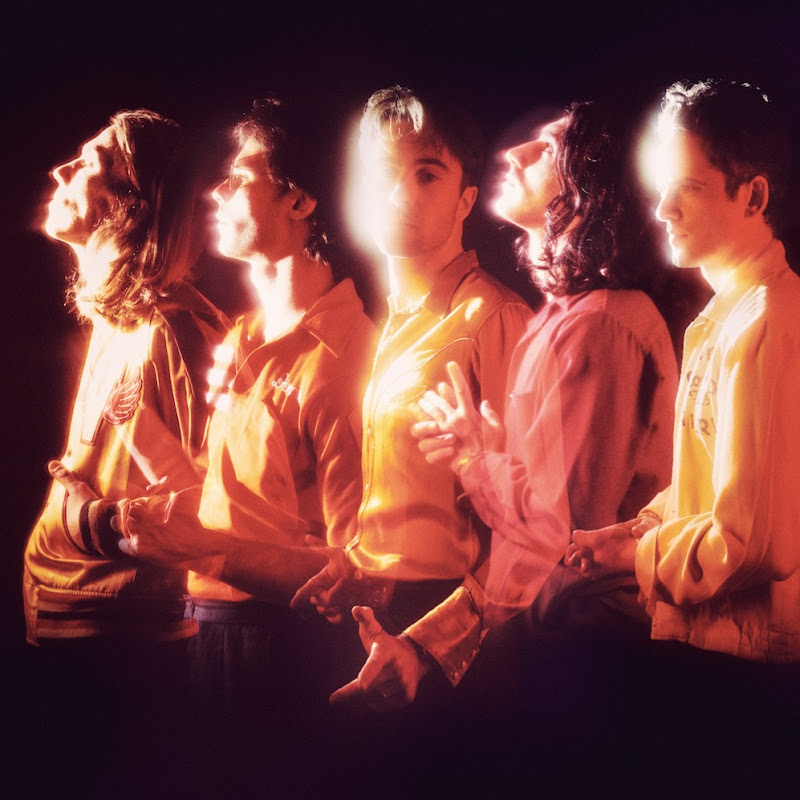
,1,The Vaccines - I Can't Quit (Official Video)
Taken from 'Combat Sports' - Listen here: http://vacn.es/CombatSports?IQid=YT
For news, tour dates and more, check out: https://thevaccines.ffm.to/web.oyd
Follow The Vaccines:
Instagram: https://thevaccines.ffm.to/instagram.oyd
Facebook: https://thevaccines.ffm.to/facebook.oyd
Twitter: https://thevaccines.ffm.to/twitter.oyd
Spotify: https://thevaccines.ffm.to/spotify.oyd
Apple Music: https://thevaccines.ffm.to/applemusic.oyd
Lyrics
Hangin' around, hittin' the ground
Dead in the water
Suckin' it up, fuckin' it up
With a favourite daughter
Take the swing, everything
Around in circles
Takin' a hit, this is it
I'm over it
I can't quit
I'm over it
Shootin' it up, cuttin' up
With broken glasses
Having a burp and letting
Love in evening classes
Getting your man
And go to work out with your sister
Talkin' about brother's fame
I'm over it
I can't quit
I'm over it
I can't quit
I'm over it
You can't change me, can you?
You can't offer that much to me
Oh you can't offer change, can you?
And I can't offer that much to you
Havin' it out, livin' in doubt
But no defenses
Tighten the rope, and talkin' to hope
In different tenses
Callin' my friends and tellin'
The only one that answers
It's hard to make brother sick
I'm over it
I can't quit
I'm over it
(I'm so dramatic)
I can't quit
(I'm so dramatic)
You can't change me, can you?
You can't offer that much to me
Oh you can't offer change, can you?
And I can't offer that much to you
I can't quit
(I'm so dramatic)
I'm over it
(Hangin' around, over the ground
Dirt in my bracelet)
I can't quit
(Suckin' it up, fuckin' it up
With your replacement)
I'm over it
(Time to swing, everything
Around a circle)
I can't quit
(Takin' a hit, brother said)
I'm over it
,1,Join this channel to get access to perks:
https://www.youtube.com/channel/UCddem5RlB3bQe99wyY49g0g/join
This untitled instructional film presented by the US Army from the 1950s shows an American soldier setting up various models of American-made military-grade landmines used throughout the Cold War. A land mine is an explosive device concealed under or on the ground and designed to destroy or disable enemy targets. The use of land mines is controversial because of their potential and indiscriminate weapons. They can remain dangerous many years after a conflict has ended and pose a threat to civilian safety. During the Cold War the United States used the M6 anti tank mine and trip-wire operated bounding antipersonnel mines such as the M2 and M16 which are some of the explosives featured in this instructional film.
Close-up of landmine being buried in soil (0:09). Hand turns dial on top of the landmine (0:40). A US Army soldier sets up and charges a 1950s M6 Landmine (0:51). Soldier sets up M14 Blast Mine (1:20). Soldier buries and disguises the M14 (3:45). Soldier places a safety pin around the indicator arrow to prevent premature explosion (4:16). Illustration of how buried M14 Landmine functions (5:18). Soldier sets up M16 Landmine (5:49). Illustration of explosion radius of the M16 (7:55).
Want to learn more about Periscope Film and get access to exclusive swag? Join us on Patreon. Visit https://www.patreon.com/PeriscopeFilm
Visit our website www.PeriscopeFilm.com
We encourage viewers to add comments and, especially, to provide additional information about our videos by adding a comment! See something interesting? Tell people what it is and what they can see by writing something for example: "01:00:12:00 -- President Roosevelt is seen meeting with Winston Churchill at the Quebec Conference."
This film is part of the Periscope Film LLC archive, one of the largest historic military, transportation, and aviation stock footage collections in the USA. Entirely film backed, this material is available for licensing in 24p HD, 2k and 4k. For more information visit http://www.PeriscopeFilm.com