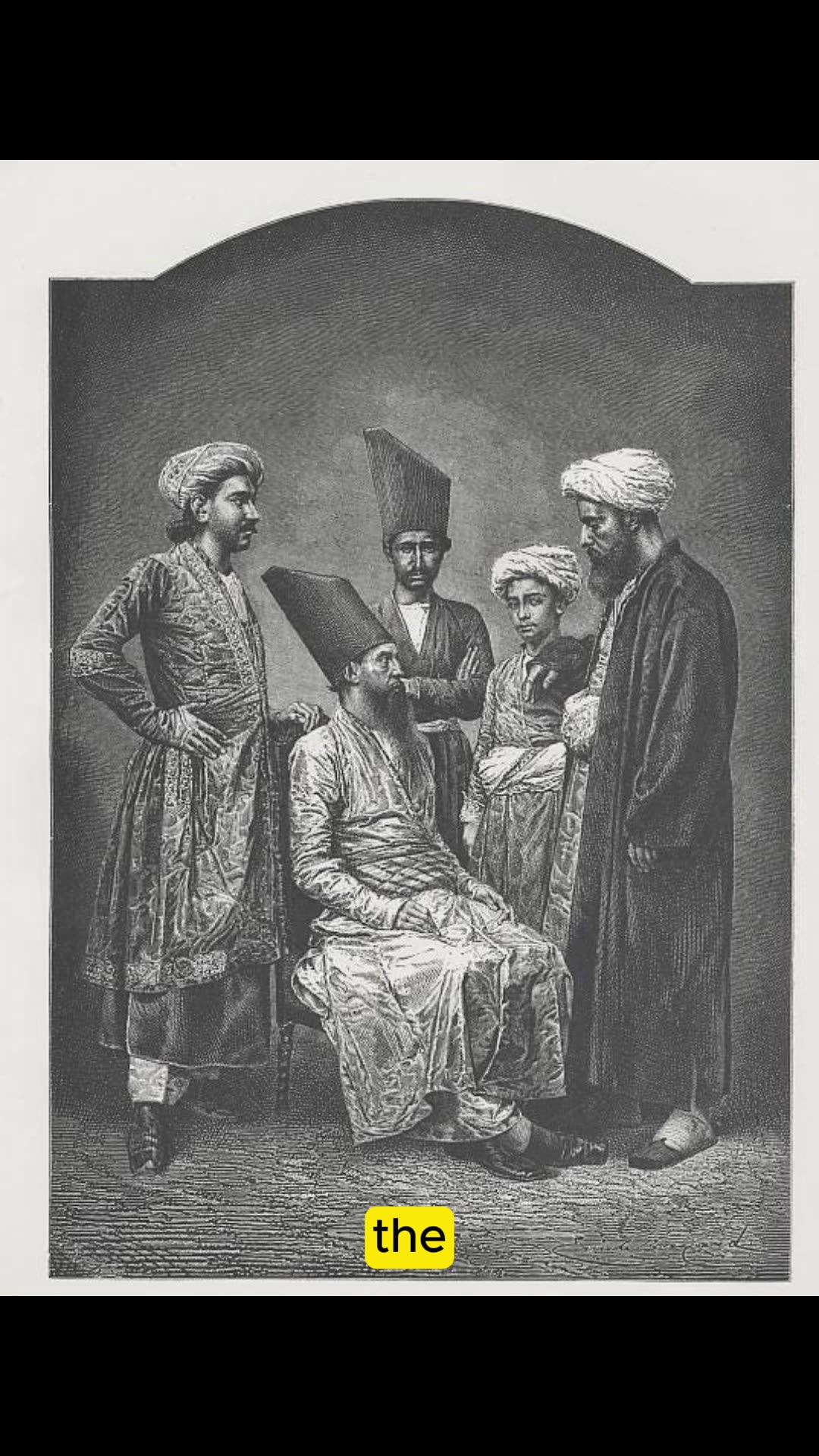
Did you know that the first-ever riot in the city of Bombay was over dogs? Led by the otherwise peace loving Parsis in the city, the ‘Dog Riots’ of 1832 were a protest against the British authorities and a draconian law they introduced targeting dogs! #Bombay #Dog #Riots #Mumbai #History #1832 #Riots #parsi #Zoroastrian #Faith #BritishColonial #historytime #StrayDogs #animalrights #mumbaikar #india #Protests #colonial #indian #DogLovers #indianhistory #Sacred #Animals #Bombay #Heritage #protest #British #bharat #Culture #bombay #DogRights #parsian #Heritage #aamchimumbai #dogs #stray #like #comment #share #subscribe #follow
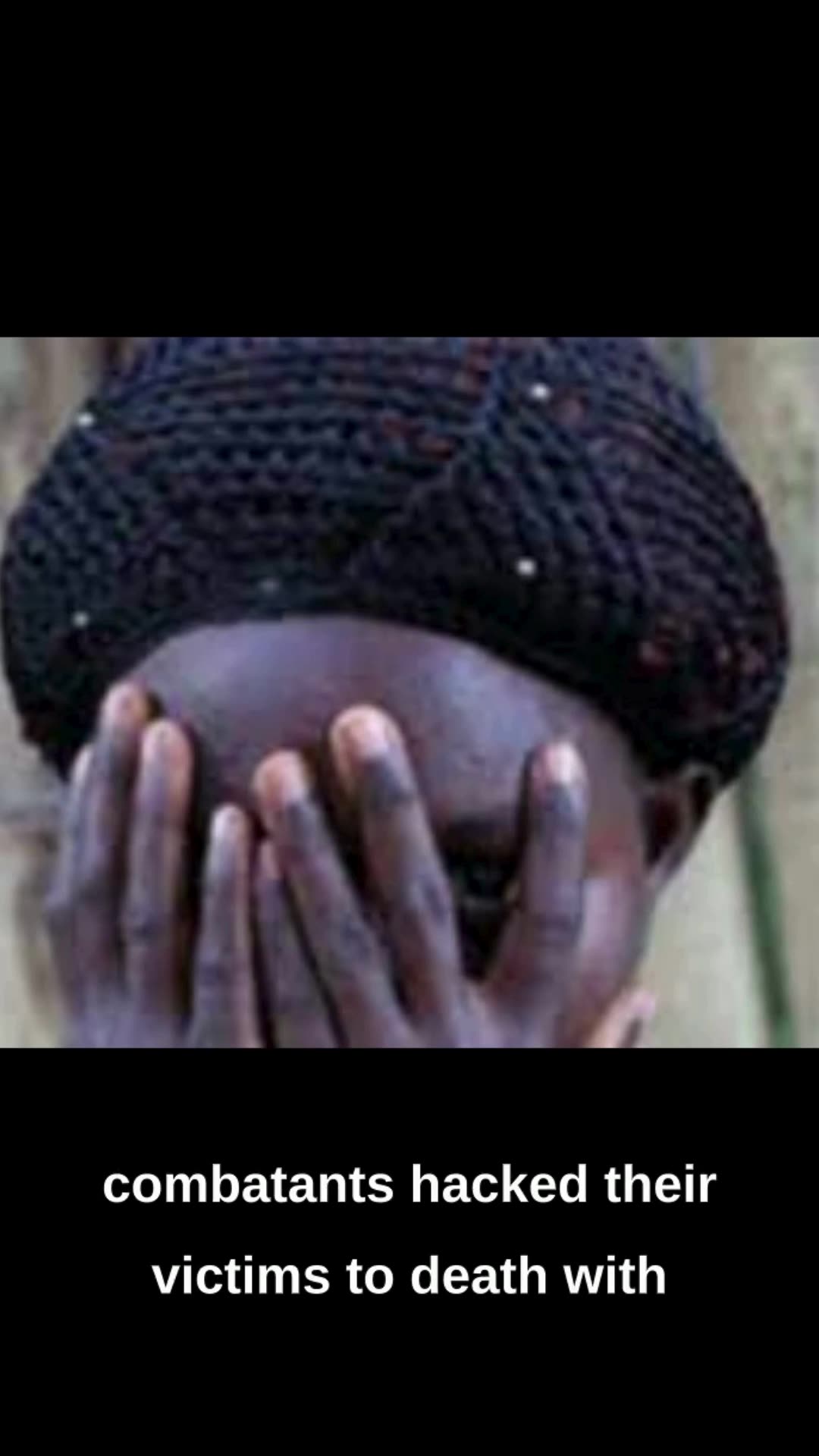
In the waning days of December 2008 and into January 2009, the Lord's Resistance Army (LRA) unleashed a wave of brutality in the northern Democratic Republic of Congo (DRC), the merciless killing of over 865 civilians and the abduction of at least 160 children. Employing gruesome methods such as hacking victims with machetes or axes and crushing skulls with clubs, the LRA carried out these atrocities in the Doruma, Duru, and Faradje areas of the Haut-Uele district.
The most harrowing attacks occurred over a 48-hour period during Christmas in locations approximately 160 miles apart. Seemingly calculated, the LRA chose this festive time to maximize the number of people congregated. Notably, similar weapons and tactics were employed in parts of southern Sudan, where the LRA also unleashed violence. These massacres were part of LRA's long-standing pattern of horrific atrocities. Originally based in Uganda and southern Sudan, the LRA transitioned to Congo in 2006. Initially refraining from targeting Congolese communities, the group shifted its stance in September 2008, launching attacks to punish locals who had aided LRA defectors. The attacks, coupled with the Christmas massacres, resulted in the tragic deaths of over 1,033 civilians and the abduction of at least 476 children.
Human rights organizations, and regional governments have condemned the LRA's actions, initiating military operations and peace endeavors. However, the arrest and prosecution of key LRA leaders, including Joseph Kony, continue to pose significant difficulties.
These massacres stand as a stark reminder of the urgent need for comprehensive efforts to address the root causes of violence, safeguard civilian populations, and foster stability in the troubled areas of Africa.
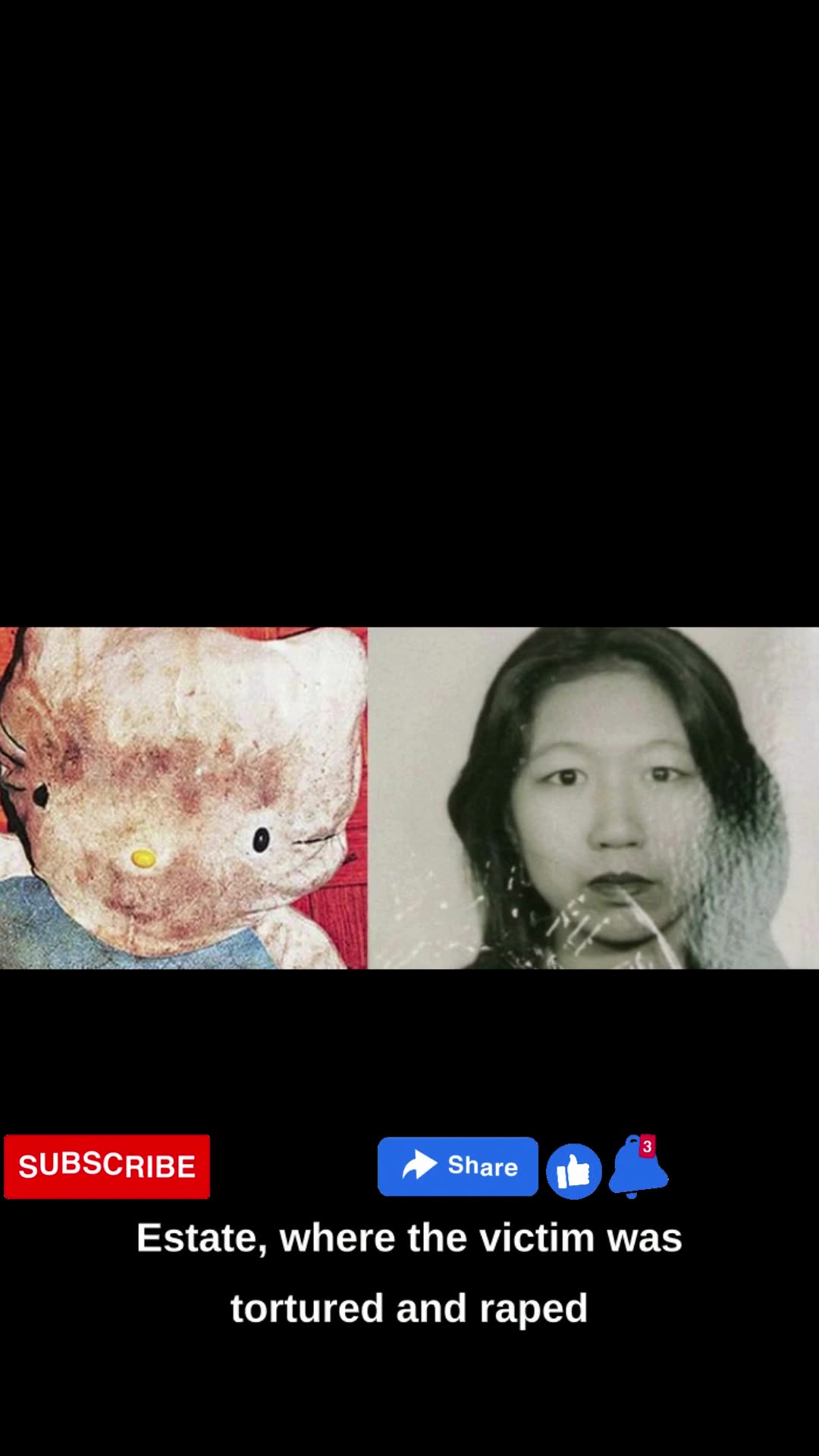
The Hello Kitty murder case took place in Hong Kong in the spring of 1999, when a nightclub hostess was abducted in Lai Yiu Estate, where the victim was tortured and raped in an apartment in Tsim Sha Tsui after stealing a wallet owned by one of her frequent customers.
Fan Man-yee was held captive by three men and one girl before dying between April 14 to April 15, 1999.
Her body was decapitated and her skull placed inside of a Hello Kitty mermaid plush, which gave the name for the murder case.
On December 7, 2000, after a trial which started on October 20, three men were convicted of manslaughter, as the jury ruled the remains were not sufficient to show whether Fan was murdered or died from a drug overdose.
The trio were sentenced to life in prison with the possibility of parole.
A Disturbing Executioner's Tool... . . . A garrote, also known as a garotte, garrotte, or chokehold, is a weapon or a method of execution designed to strangle or choke a person to death. There are different variations of garrotes, but they typically involve a cord, wire, or similar ligature used to constrict the victim's neck, cutting off their air supply or causing severe injury to the neck and throat.
Normally people are strangled by squeezing the carotid artery, but the garrote compresses the air tube.
The victim dies slowly, by suffocation.
In the past, a noose was placed around the neck of the condemned person from behind, which was slowly tightened by means of a stick. Later, this noose was replaced by a metal band. However, this only served to fix the victim. A metal screw was screwed into the neck from behind. This caused death immediately. The theory was that when the screw was tightened, it would crush the brain stem and kill the victim instantly.
In Spain, under the dictator Franco, death sentences were carried out with this instrument until 1974 (!) and it was even reported in detail in the newspapers.
Scaphism..the scariest method of execution in history . . . Scaphism, also known as "the boats," was an ancient method of torture and execution that was used by the Persians and later by the Greeks. The method involved trapping a person between two boats or hollowed-out tree trunks, smearing them with honey and milk, and then leaving them to be devoured by insects.
The victim would be stripped naked and placed in one of the boats. The other boat would be placed on top of them, trapping them inside. Holes would be cut in the top boat to allow the person's head, arms, and legs to protrude. The person would then be fed a mixture of milk and honey, which would attract insects such as flies, wasps, and ants.
Over time, the insects would swarm around and inside the person's body, eating the honey and milk, and eventually, the person's flesh. The victim would be left to suffer in the boats, often for several days, until they died from a combination of starvation, dehydration, and insect bites.
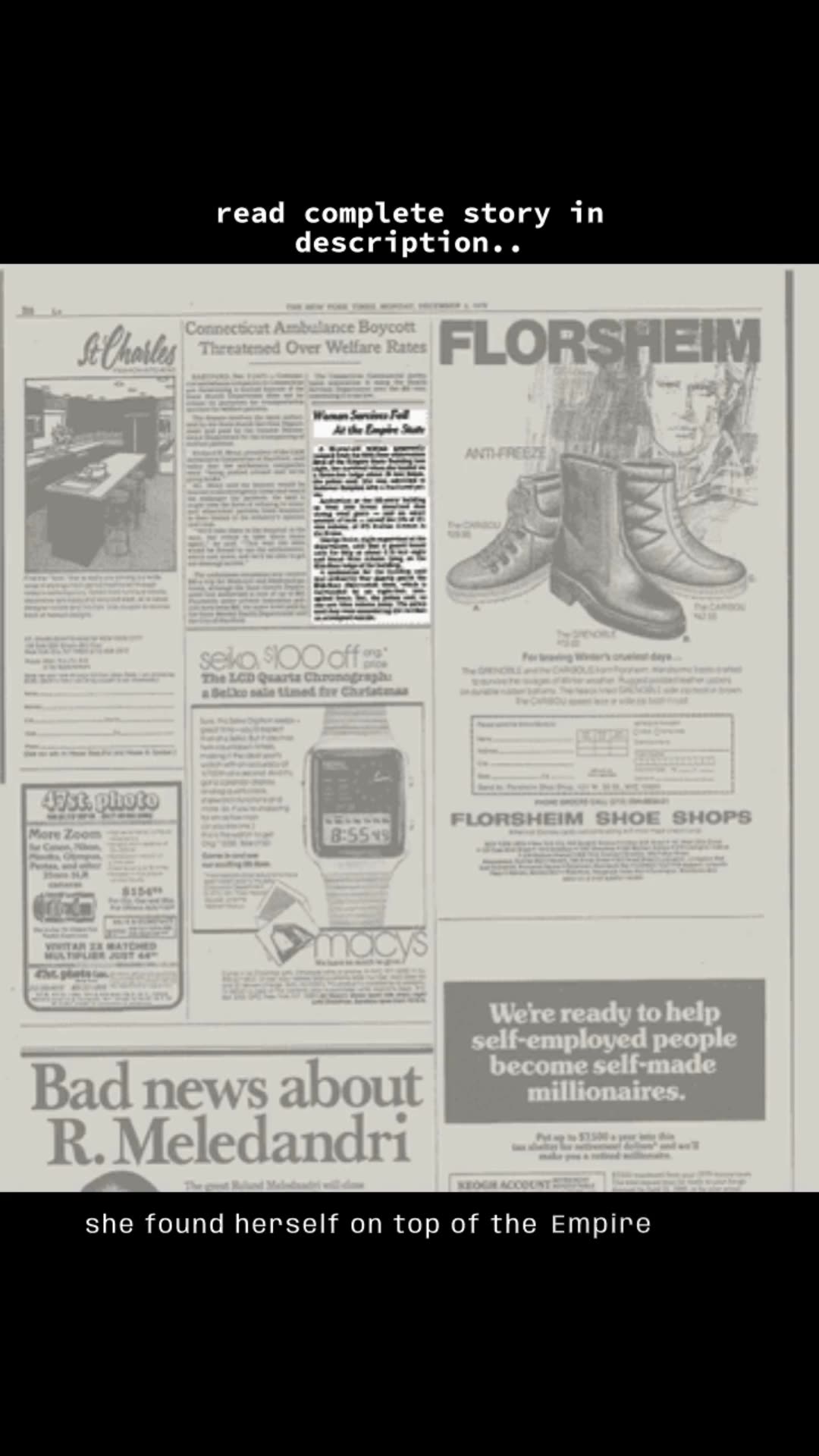
A 29‐year‐old woman apparently jumped from the 86th‐floor observation deck of the Empire State Building on Dec 2 1979, but survived when she landed on a three‐foot ledge about 20 feet below, the police said. She was admitted to Bellevue Hospital with a fractured pelvis.
Authorities at the 102‐story building on West 34th Street theorized that strong wind gusts — and no small amount of luck — saved the life of Elvita Adams, of 975 Walton Avenue in the Bronx.
George Reice, night supervisor at the observatory, said that a guard heard calls for help at about 8:15 last night and found Miss Adams lying on the 85th‐floor ledge of the building.
A spokesman for the building said that ordinarily four guards patrol the 86th‐floor observation deck, which is surrounded by an eight‐foot, ironspiked fence. But, the police said, no one saw Miss Adams jump. The police said they were considering the incident an attempted suicide.
David A. Johnston was an American volcanologist who is best known for his work studying Mount St. Helens in Washington state. He was born on December 18, 1949, in Oak Lawn, Illinois, and he unfortunately lost his life during the eruption of Mount St. Helens on May 18, 1980. David Johnston worked for the United States Geological Survey (USGS) as a volcanologist and was stationed at the Mount St. Helens Volcano Observatory. He played a crucial role in monitoring the volcano's activity leading up to the eruption. He was particularly concerned about the dangers of pyroclastic flows, which are fast-moving clouds of superheated gas and volcanic debris. On the day of the eruption, Johnston was stationed at an observation post about 6 miles (10 kilometers) away from the volcano. He was monitoring the volcanic activity and communicating his observations to his colleagues via radio. Tragically, he was one of the victims of the eruption when the lateral blast, a powerful explosion of hot gas and debris, swept over his position. His final recorded words were, "Vancouver! Vancouver! This is it!" which he radioed to his colleagues as he witnessed the eruption approaching. David Johnston's death was a significant loss to the scientific community and a reminder of the risks involved in studying active volcanoes. He is remembered for his dedication and passion for his work, and his sacrifice has contributed to our understanding of volcanic hazards and the development of improved monitoring systems to protect communities living near volcanoes. This photo was taken 13 hours before his death on May 17, 1980.
Pink planes- Some fighters during the Second World War were so specialized that they flew only at certain times of the day. To make the aircraft less noticeable both at sunset and at sunrise, they were painted pink. Laxatives- The coastline of Norway had an economy based mainly on salted fish. Thus, when the Germans announced that they were requisitioning Norway’s entire catch of sardines, people were outraged. In the ranks of the Resistance was an informant at Nazi headquarters who said that the sardines would be used to feed German troops. Canned food was supplied to U-boat crews. At the request of Resistance members, the British sent large reserves of croton oil. This oil has a fishy taste and a strong laxative effect. Norwegians secretly delivered it to canneries, where it was mixed with vegetable oil and added to sardines. Soon after, the sardines were sent to German submarines. Itchy powder- A powder that acted as a strong skin irritant was disguised as talc and smuggled into Europe. Resistance members in occupied countries distributed this powder in clothing factories and laundry facilities where they could secretly apply it to German uniforms. Exploding poop- There are cases in which the British sent members of the Resistance members throughout Europe imitation manure filled with explosives. The idea was to leave it on the road where it would not be suspected by the drivers of vehicles that would inevitably run over it.
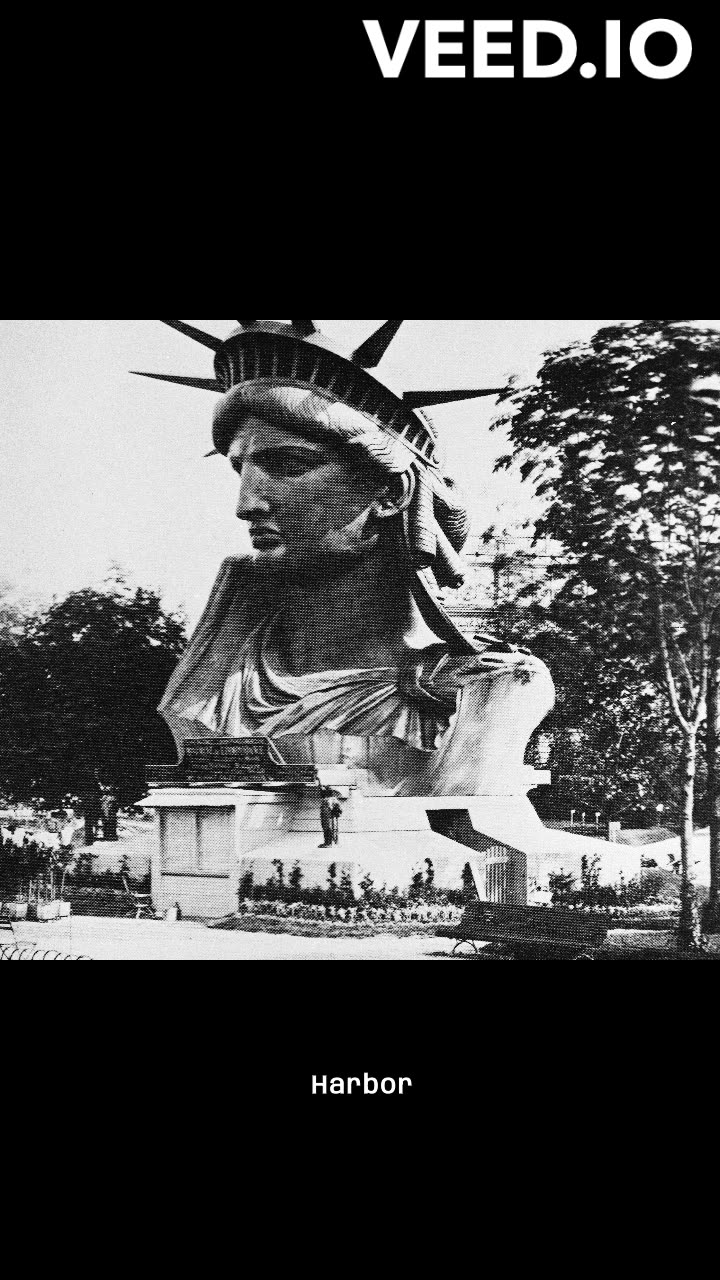
On 17 June 1885 Hundreds of thousands of spectators welcomed the emblematic statue, which was a gift to the United States from the people of France and has become one of the country's most recognized symbols.